Gillette Venus
Writer and expert
•15 September 2026
6 mins read
Gillette Venus
Writer and expert
15 September 2026
6 mins read


WHAT YOU NEED TO KNOW
- How do ingrown hairs happen? Ingrown hairs happen when a cut hair curls back into the skin instead of growing out, often forming small red or skin-colored, pimple-like bumps.
- Do they need treatment? Many ingrown hairs clear up without treatment. A warm compress, gentle exfoliation and a non-greasy moisturizer help speed up the healing process.
- How do you prevent them from happening? Prevention is the real game: change razor blades often, hydrate skin before shaving, exfoliate regularly, always use shave gel and be consistent with your routine.
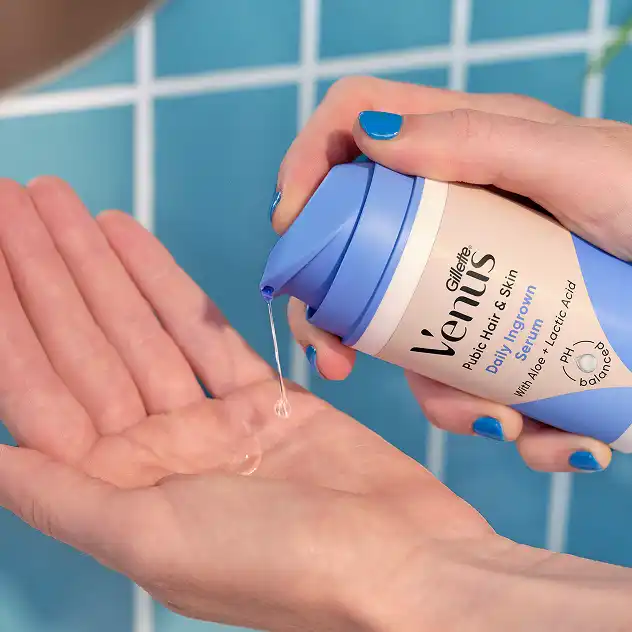
- What tools help prevent ingrown hairs? For the pubic area specifically, the Venus Pubic Hair & Skin Daily Ingrown Serum is designed to help prevent new ingrowns with lactic acid for gentle exfoliation and aloe for soothing moisture.
What are ingrown hairs?
Many ingrowns clear up on their own. The trick is knowing how to help that along, and how to set yourself up so they happen less often.

How do I heal an ingrown hair?
- Avoid shaving the area until the ingrown has healed. Shaving over it can make it worse.
- Apply a warm towel to the ingrown hair for a few minutes. The warmth softens the skin around the trapped hair.
- Try gently exfoliating to remove any loose dead skin. Dead skin is often what's blocking the hair from breaking through.
- Apply a non-greasy moisturizer, like the Venus Pubic Hair & Skin Daily Ingrown Serum, to keep the skin hydrated and calm.
- If you can see the hair just under the surface, you can gently pull it out with sterile tweezers.
Pro Tip:
Try not to pick at or dig into an ingrown hair. It can make the area worse and slow down healing. If the hair isn't clearly visible at the surface, let it calm down on its own.
How do I prevent ingrown hairs?
Each area of the body needs a slightly different approach, but the basics below apply almost anywhere you shave.
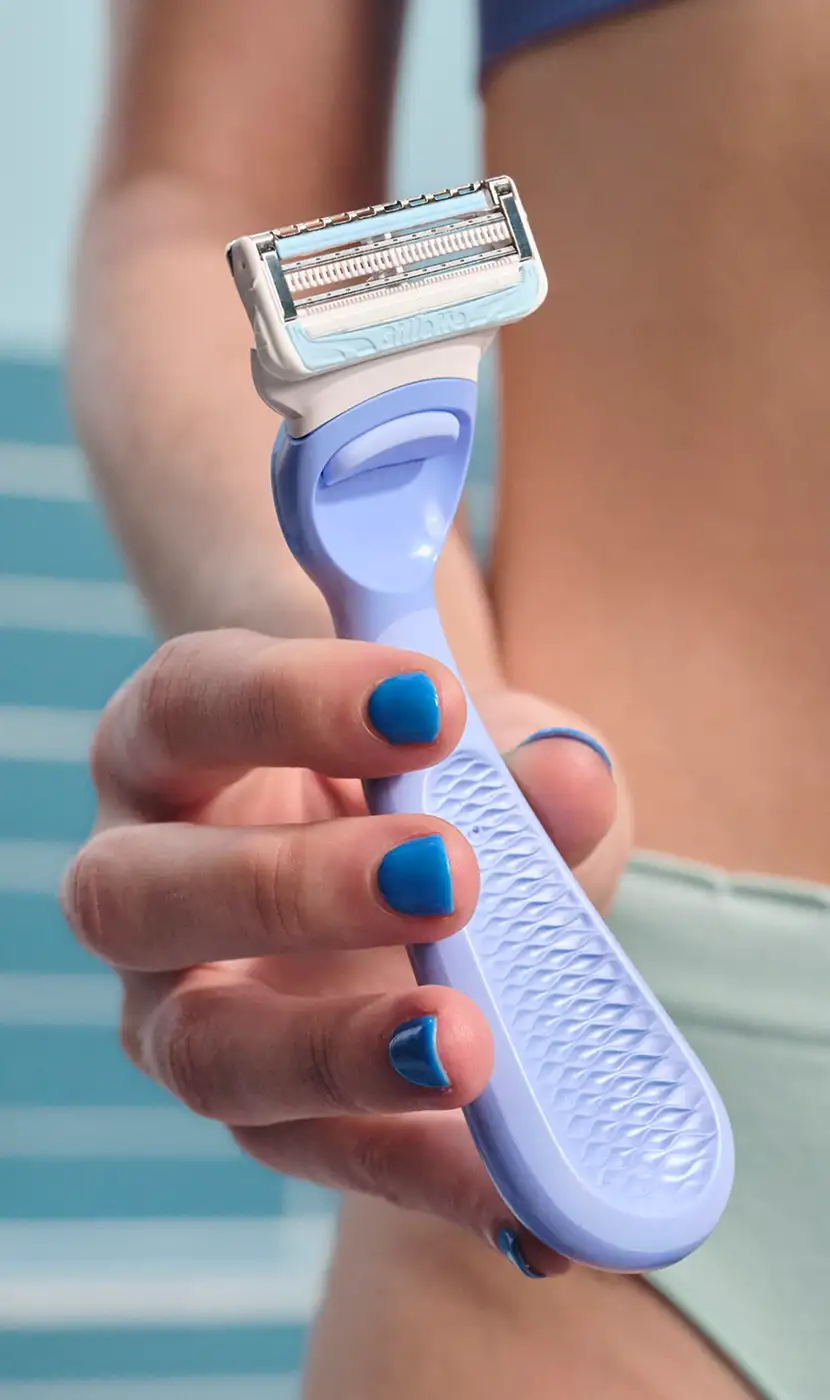
1. Change your razor blades often
Dull blades cause skin irritation, razor burn, and ingrown hairs. If your blade feels rough on your skin or pulls at your hair, it's time for a new one.
2. Hydrate your skin before you shave
Soak the area in warm water for a few minutes via a shower or bath. Hydrated hair cuts more easily, which means less tugging and fewer ingrowns.
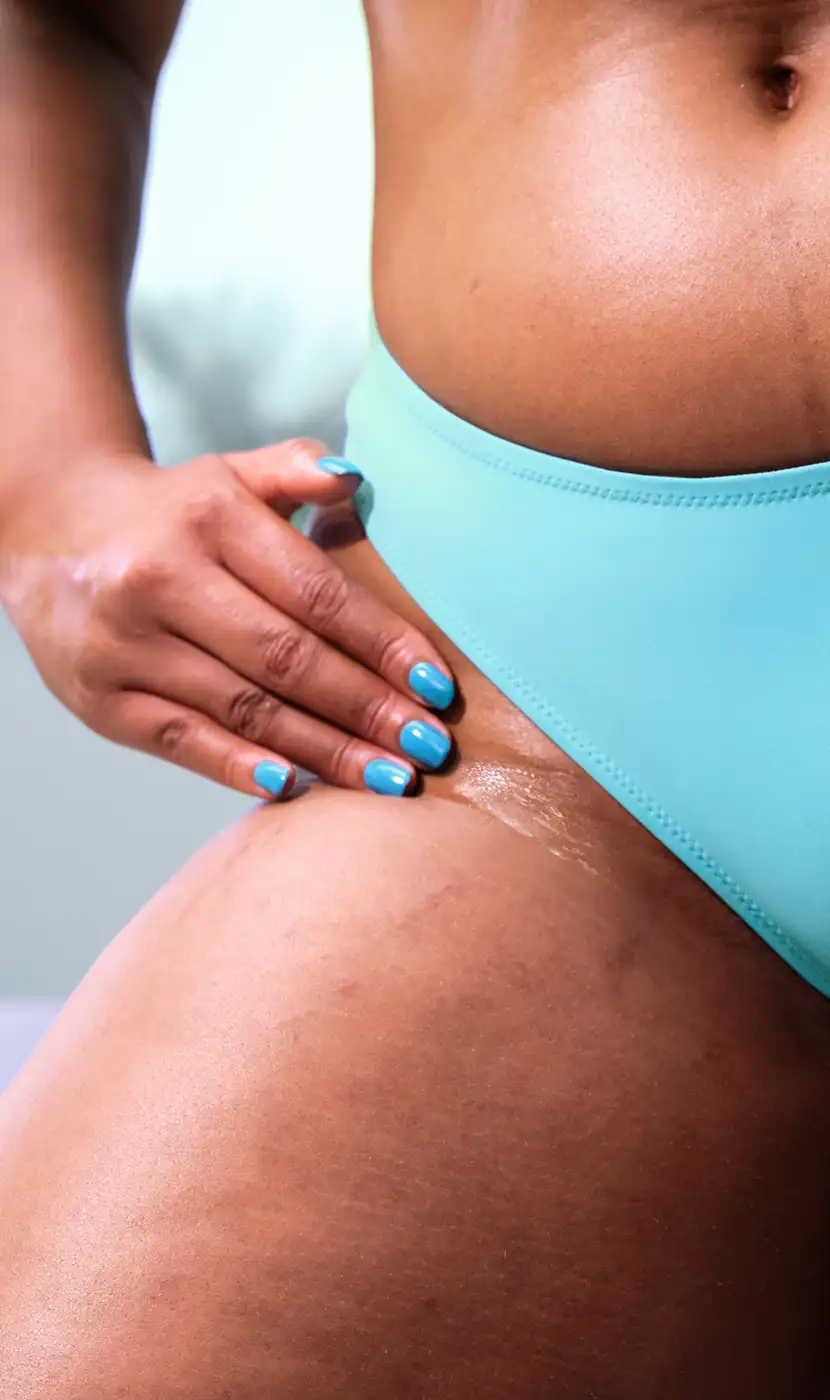
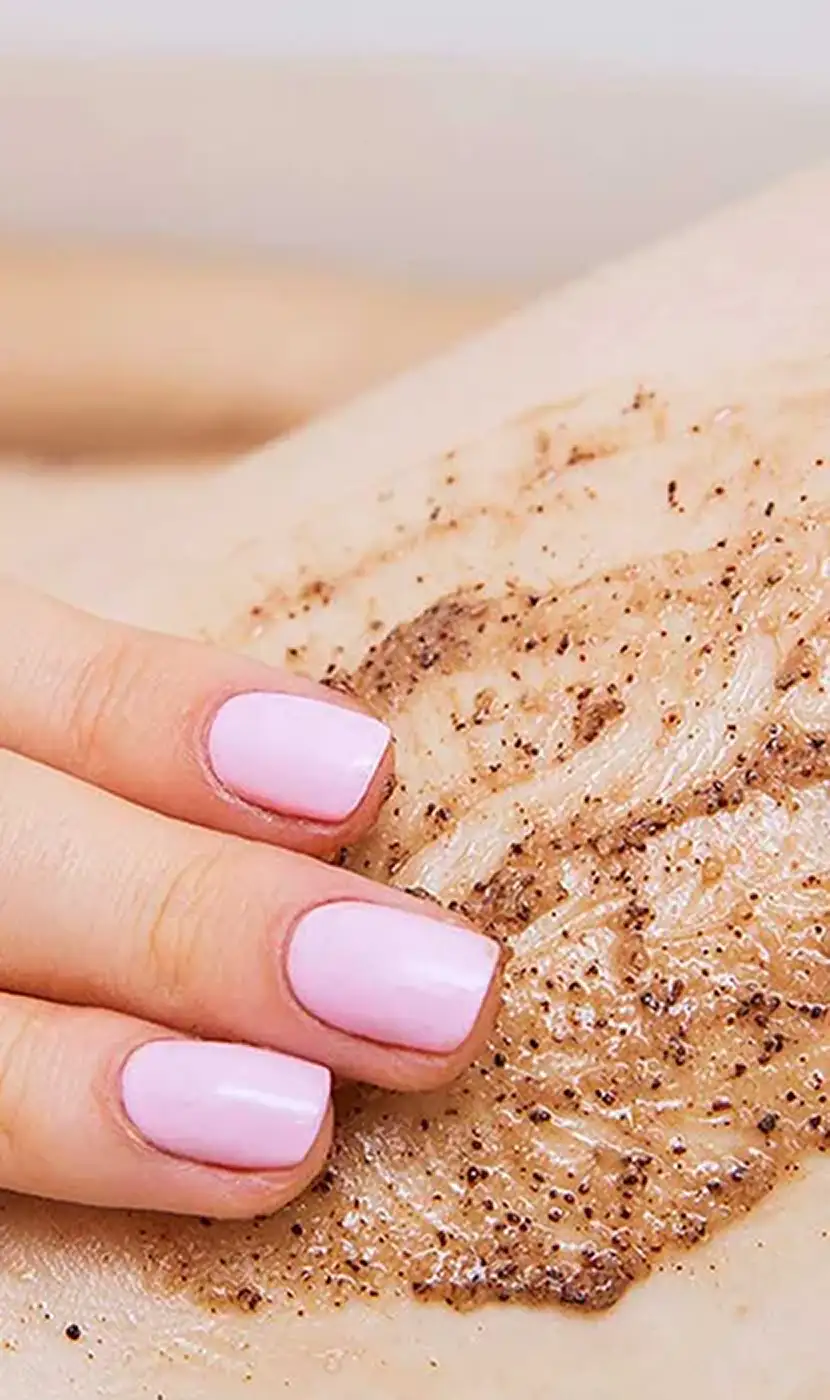
3. Exfoliate regularly
Ingrown hairs often happen because dead skin cells are blocking the hair from breaking through the surface. Regular gentle exfoliation between shaves helps keep that layer clear.
4. Always use shave gel or cream
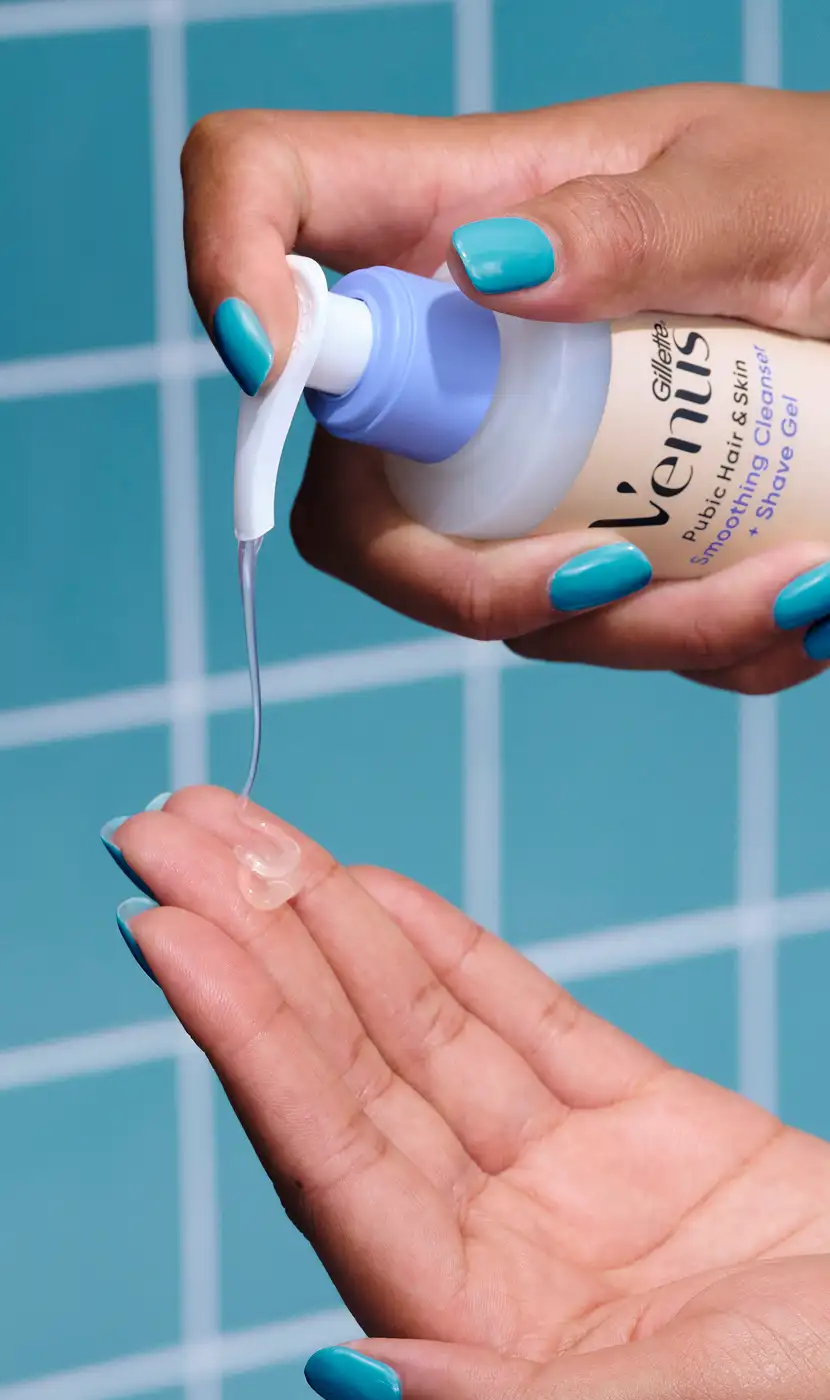
Shaving dry skin is one of the fastest ways to end up with razor burn, irritation, and ingrowns. Shave gel adds a layer of protection and helps the razor glide. For the pubic area, the Venus Pubic Hair & Skin Smoothing Cleanser & Shave Gel is a clear gel that helps give you protective glide during the shave - and you can use it daily as a cleanser too.
5. Use a daily serum made for the area
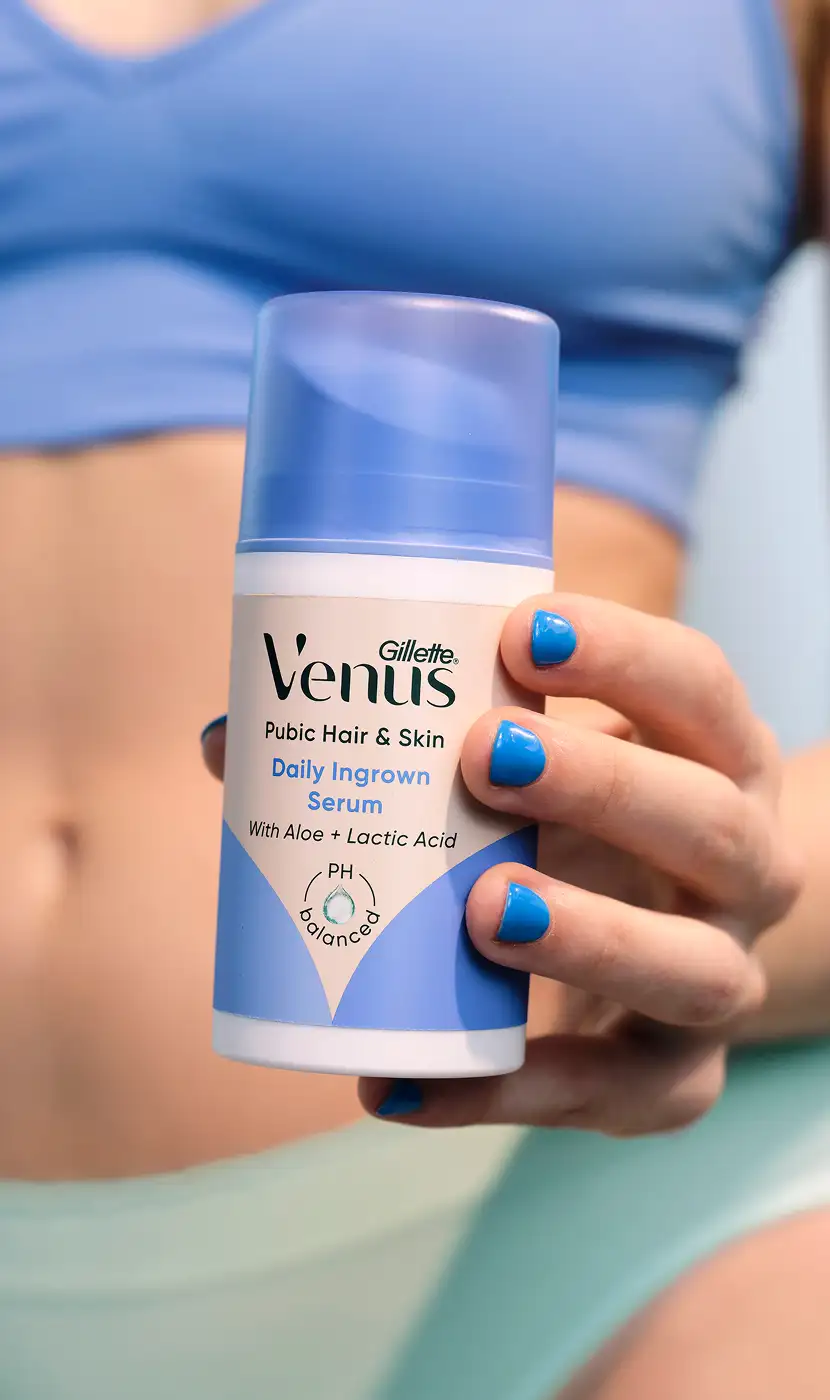
For the pubic area specifically, the Venus Pubic Hair & Skin Daily Ingrown Serum is built for daily use. The lactic acid gently exfoliates to help prevent new ingrowns, and the aloe soothes the skin. Use it after shaving for immediate relief, and between shaves to keep the area in good shape.

6. Be consistent
Routines work because they're repeated. One of the biggest differences between people who get frequent ingrowns and people who don't is consistency – not just products for genetics. The same prep, the same razor habits, the same after-shave care, every time.

Frequently asked questions
Final thoughts
A careful routine can make managing ingrown hairs feel more straightforward. Give the area time to recover, use gentle preparation and aftercare, and avoid forcing a trapped hair; if the area becomes painful, swollen or does not improve, seek professional advice.